
Aluminum Foil
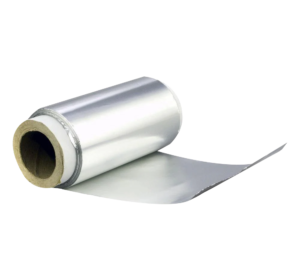
Aluminum foil is a lightweight, flexible material known for its excellent thermal and light reflectivity. It plays a crucial role in packaging, insulation, electronics, and more. Below are its standard specifications, typical uses, and advantages.
1. Technical Specifications of Aluminum Foil
| Property | Value / Description |
|---|---|
| Thickness | 6–200 microns (most common: 9–30 microns) |
| Density | 2.7 g/cm³ |
| Melting Point | ~660°C |
| Thermal Conductivity | 235 W/m·K (high) |
| Electrical Conductivity | 35–38 MS/m |
| Tensile Strength | 80–200 MPa (varies by thickness) |
| Reflectivity | Reflects up to 95% of heat and light |
| Barrier Properties | Complete protection against moisture, gas, bacteria, and UV rays |
| Working Temperature | -70°C to +500°C (short-term exposure) |
2. Common Applications of Aluminum Foil
A) Food & Packaging Industry
Food Wrapping & Storage
Retains heat in ready-to-eat meals (oven, microwave safe).
Prevents oxidation in chocolate, coffee, dairy products.
Used in take-out containers and lids.
Pharmaceutical Packaging
Ideal for blister packs protecting tablets from moisture and light.
B) Industrial Applications
Thermal Insulation
HVAC systems, pipe insulation, building envelopes.
Electronics
EMI/RFI shielding in devices.
Used in battery and capacitor manufacturing.
Automotive
Heat insulation in exhaust systems and engine compartments.
C) Specialized Applications
Medical
Used in sterilization wraps and emergency thermal blankets.
Decorative
Reflective foil for lighting and design aesthetics.
Aerospace
Thermal shielding for aircraft and spacecraft.
3. Advantages of Aluminum Foil
Lightweight and Flexible – Easy to shape, wrap, and apply.
Total Barrier – Excellent protection against oxygen, moisture, and light.
High Heat Resistance – Suitable for oven and grill use.
Recyclable – Eco-friendly and sustainable material.
4. Important Considerations
Contact with Acidic Foods:
Acidic items (like tomatoes or lemon) may corrode aluminum.
Thin Foil Can Tear Easily:
For heavy-duty use, apply double layers.
Microwave Usage:
Can be microwave-safe if used correctly; avoid spark risk.
Recommended Aluminum Foil Thickness by Application
| Thickness | Typical Use |
|---|---|
| 6–10 microns | Chocolate wrap, cigarette packaging, light wrapping |
| 11–20 microns | Home-use foil, food storage, blister packs |
| 21–30 microns | Industrial packaging, thermal insulation |
| 30+ microns | Heavy-duty use (automotive, construction insulation) |
Aluminum foil is an indispensable material thanks to its durability, heat resistance, and versatile functionality. Be sure to choose the right thickness and application method by following manufacturer guidelines for optimal performance.