
Stretch Film
Stretch film is a flexible plastic packaging material used to secure palletized goods, protect products, and prevent load shifting during transportation. Commonly made from LLDPE (Linear Low-Density Polyethylene) or PVC, stretch film is available in several variants to suit different load types and packaging environments.
Technical Specifications
A) Types of Stretch Film and Their Characteristics
| Feature | LLDPE Stretch Film | PVC Stretch Film | Cast Stretch Film | Blown Stretch Film |
|---|---|---|---|---|
| Stretchability | High (300–700% elongation) | Moderate (200–300%) | High | Lower elasticity |
| Cling | Self-cling | Requires external adhesive | Self-cling | Lower cling |
| Puncture Resistance | High | Low | Medium | High |
| Thickness | 15–30 microns | 12–20 microns | 12–25 microns | 20–50 microns |
| UV Resistance | Moderate (UV versions available) | Low | Low | High (suitable for outdoor) |
| Recyclability | Easy | Difficult (PVC disposal issues) | Easy | Easy |
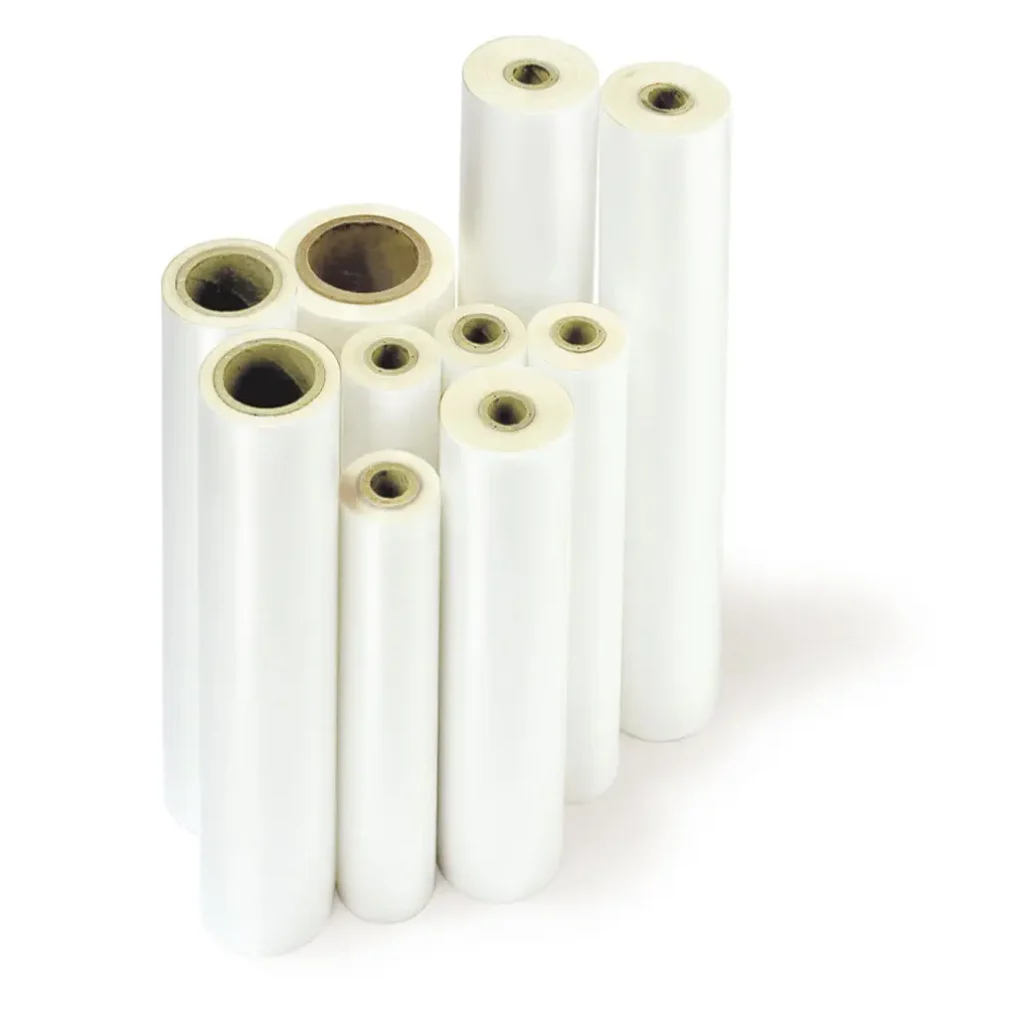
Descriptions:
LLDPE Stretch Film: Most widely used type; excellent stretch and cling properties; ideal for pallet wrapping.
PVC Stretch Film: Thin and highly transparent; not eco-friendly; used in lightweight applications like food packaging.
Cast Stretch Film: Quiet and smooth unwind; best for manual wrapping.
Blown Stretch Film: Thick and highly durable; suitable for heavy loads and outdoor storage.
Mechanical & Physical Properties (LLDPE Reference)
| Property | Value Range | Functional Impact |
|---|---|---|
| Tensile Strength | 20–30 MPa | Prevents load shifting |
| Tear Resistance | 40–80 N/mm | Protects against punctures |
| Elongation at Break | 300–700% | Ensures tight wrapping |
| Thickness | 15–30 µm (20+ for pallets) | Greater thickness for heavy loads |
| Cling Strength | 50–150 g/cm² | Provides secure self-adhesion |
Application Areas
A) Industrial & Logistics
Pallet Wrapping:
Prevents load displacement, protects against dust, moisture, and impact. Can be applied manually or with wrapping machines.Outdoor Storage:
UV-enhanced stretch films offer protection from sunlight for exposed storage environments.Automated Packaging Lines:
Suitable for high-speed wrapping in automated systems.
B) Food & Retail Sectors
Food Packaging:
Used for fresh produce, meat, and dairy. Anti-fog films maintain visibility and freshness.Retail Product Bundling:
Ideal for holding together products like bottled water or cosmetics in multipacks.
C) Special Applications
VCI Stretch Film:
Prevents corrosion of metal components and machinery.Colored Stretch Film:
Enables product grouping or brand identification.
Usage Guidelines & Considerations
For Heavy Loads (50+ kg):
Use film thickness of 20 microns or more. Apply multiple wraps for added security.Manual vs. Machine Wrapping:
Cast stretch film is ideal for manual use; blown stretch film is preferred in machines due to higher durability.Eco-Friendly Options:
Consider biodegradable or recycled-content stretch films for sustainable operations.
Stretch Film Selection Guide
| Usage Scenario | Recommended Film Type |
|---|---|
| Heavy-duty pallet wrapping | LLDPE Blown Film (30+ microns) |
| Food packaging | PVC or Anti-Fog LLDPE Film |
| Outdoor storage | UV-Enhanced LLDPE Film |
| Manual application | Cast LLDPE Film |
| Rust protection | VCI Stretch Film |
Recommended for:
Pallet Stabilization: Ideal for securing palletized goods during storage and transportation, especially with LLDPE or blown stretch films.
Heavy Load Wrapping: Use thicker (20+ micron) LLDPE or blown stretch film for loads exceeding 50 kg.
Manual Wrapping: Cast stretch film provides smooth unwind and ease of use for hand wrapping operations.
Automated Packaging Systems: LLDPE stretch films (machine-grade) are suitable for high-speed automatic stretch wrappers.
Outdoor Storage: UV-resistant LLDPE or blown stretch film is recommended for protection against sunlight and weather exposure.
Food Packaging: PVC or anti-fog LLDPE films are recommended for wrapping fresh produce, meat, and dairy products.
Corrosion-Sensitive Goods: VCI stretch film is ideal for protecting metal items from rust and oxidation during shipping or storage.
Retail Multipacks: Use cast or PVC stretch film to bundle bottled products, cosmetics, or consumer goods neatly.